
THỜI SỰ


THỂ THAO


ĐỊA PHƯƠNG


GIẢI TRÍ


THIẾU NHI


FM-RADIO


QUỐC TẾ


Xem Tivi Online xuất hiện như một người bạn đồng hành và gần gũi của những người yêu thích truyền hình. Xem tivi không chỉ cung cấp thông tin chính xác về tin tức thời sự, thể thao mà còn mang đến những chương trình gameshow thực tế, giải trí. Tại shababinclusion.org, người xem tivi trực tuyến sẽ không bỏ lỡ bất cứ nội dung hay khoảnh khắc nào của kênh truyền hình mang lại.
Giới thiệu sơ lược về trang web xem ti vi miễn phí
Xem Tivi Online - Nền tảng truyền thông đứng đầu thị trường với sứ mệnh và mục tiêu cung cấp dịch vụ phát sóng các kênh truyền hình đa dạng và chất lượng cho khán giả và đặc biệt mọi thứ tại đây đều hoàn toàn miễn phí. Dưới đây là vài giới thiệu tổng quan về Xem Tivi Online:
Lịch sử hình thành và sứ mệnh phát triển của Xem TV

Lịch sử và sứ mệnh tạo ra trang xem tivi miễn phí
Xem TV cam kết cung cấp một trải nghiệm xem tivi trực tuyến truyền hình phong phú và đầy đủ các thể loại, không chỉ trong nước mà còn trong các sự kiện truyền hình quốc tế. Trang web đặt sứ mệnh tạo ra môi trường phát sóng nội dung đáng tin cậy và đã trở thành đích đến không thể thiếu cho những ai gắn bó với niềm yêu thích truyền hình.
Lịch sử của Xem TV trực tuyến bắt đầu từ các năm đầu thế kỷ 21, cùng lúc với sự phát triển về công nghệ truyền hình mở ra con đường mới cho việc chia sẻ và phát sóng trực tiếp các kênh tin tức giải trí.
Ban đầu, trang web chỉ là một địa chỉ nhỏ cung cấp tin tức cơ bản, nhưng sau đó, Xem TV không ngừng phát triển và mở rộng dịch vụ của mình. Chúng tôi đã thêm vào nhiều phân mục giải trí, radio, kênh trẻ em, truyền hình địa phương và đa dạng các nội dung sáng tạo khác.
Đội ngũ nhân viên và mô hình hoạt động
Xem TV online hoạt động dựa theo nguyên tắc chiếu sóng các thông tin truyền thông nhanh chóng, chi tiết về những sự kiện tin tức thời sự, giải trí, thể thao hàng đầu trong và ngoài nước.
Xem tivi online là trang web cung cấp dịch vụ xem truyền hình trực tuyến miễn phí. Sở hữu đến khoảng 100 kênh truyền hình Việt Nam và quốc tế, bao gồm những kênh HTV, VTC, VTV, K+, HBO, Cartoon Network, Disney Channel… khán giả có thể xem trực tiếp trên điện thoại di động máy tính, hoặc máy tính bảng mà không cần phải cài đặt bất kỳ tài khoản hay phần mềm nào.

Đội ngũ nhân viên luôn túc trực 24/7
Đội ngũ quản lý và nhân sự là những chuyên gia có kinh nghiệm và đam mê với truyền hình. Tận dụng kiến thức sâu về cách phát triển kênh truyền thông, họ luôn đảm bảo mọi thông tin trên trang web là xác thực và đáng tin cậy.
Bộ phận nhân viên chăm sóc khách hàng 24/7 của trang web xem các kênh truyền hình là đội ngũ chuyên nghiệp và sẵn sàng phục vụ quý khách hàng xuyên suốt 24 giờ mỗi ngày, 7 ngày mỗi tuần. Họ là người đồng hành tin cậy của bạn trong suốt quá trình trải nghiệm các kênh truyền hình trực tuyến.
Mang lại nhiều kênh đa dạng thể loại đáp ứng tốt nhu cầu khán giả
Xem TV tự hào về việc cung cấp hàng trăm kênh truyền hình từ nhiều quốc gia khác nhau nội dung đa dạng. Bạn có thể tùy chọn xem các thể loại khác nhau như tin tức, thể thao, giải trí, phim ảnh, chương trình thực tế phù hợp với nhu cầu cá nhân từ các chương trình hàng ngày đến sự kiện thể thao trực tiếp và phim điện ảnh.
Chúng tôi cho phép bạn phát lại các truyền hình trực tiếp khi nó đã phát sóng hoặc xem lại các chương trình đã phát sóng trước đó, giúp người dùng không bao giờ bỏ lỡ những nội dung quan trọng.
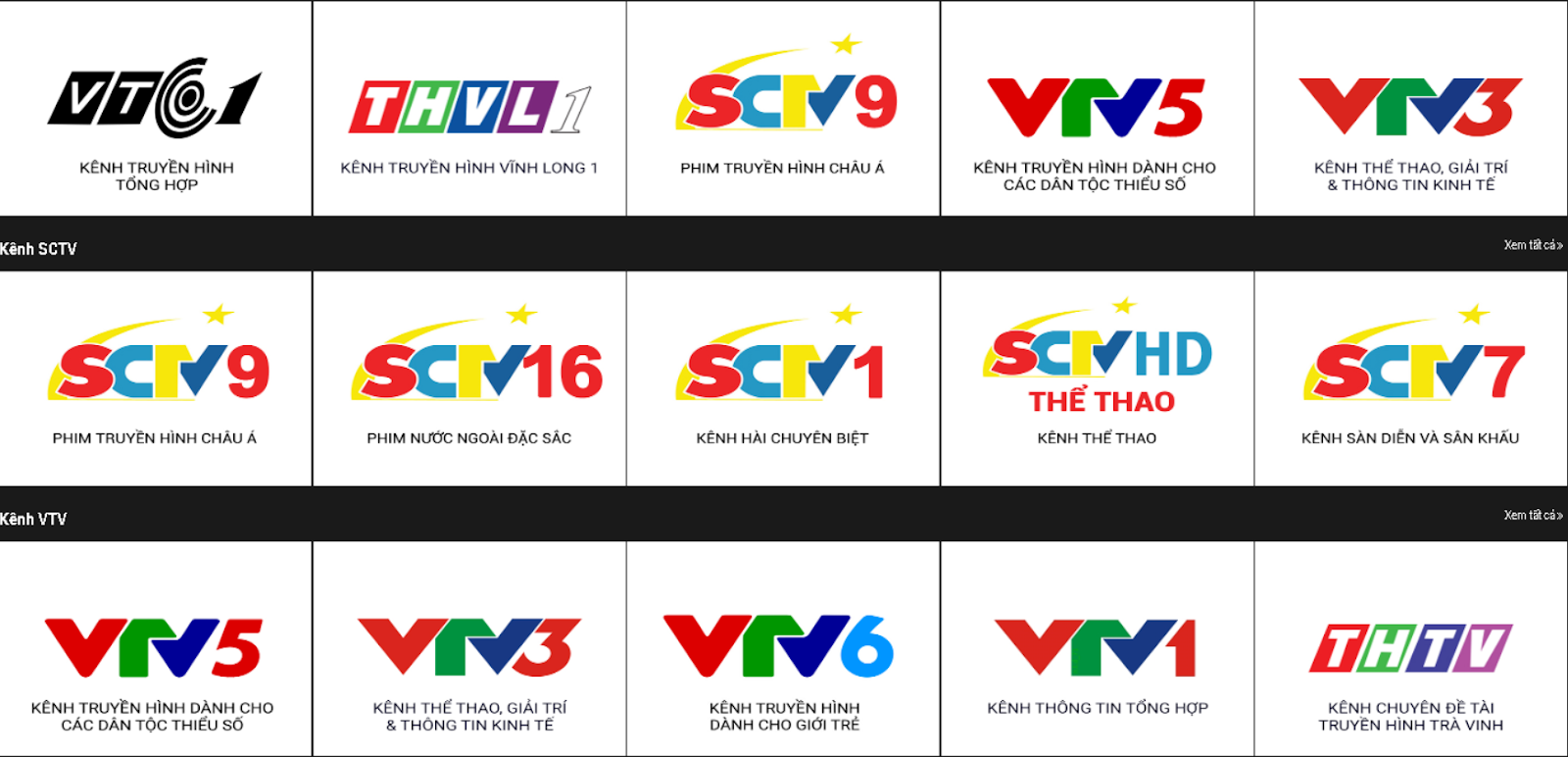
Đa dạng nhiều kênh thông tin
Bên cạnh việc cung cấp một trình phát video thuận tiện, cho phép bạn tùy chỉnh chất lượng video, tua nhanh, tua lại, điều chỉnh âm lượng dễ dàng. Xem tivi trực tuyến còn tự tin đảm bảo được hình ảnh đạt chất lượng tốt nhất ngay cả khi người dùng gặp vấn đề về tốc độ internet kết nối chậm. Điều này cho thấy người xem hoàn toàn yên tâm truy cập tận hưởng kênh truyền hình phát sóng mượt mà.
Nội dung phát sóng của Xem TV
-
Xem TV cung cấp nhiều kênh truyền hình phim, bao gồm phim bom tấn, phim truyền hình, phim lẻ và các thể loại phim khác nhau. Bạn có thể tận hưởng nhiều bộ phim mới và cũ từ các quốc gia khác nhau.
-
Xem tivi online không chỉ cung cấp thông tin thể thao, phim ảnh mà còn đa dạng về chương trình giải trí bao gồm gameshow, talkshow, thực tế, hài kịch, phỏng vấn vui nhộn Điều này làm cho nền tảng trở nên phong phú và hấp dẫn hơn, thu hút tính quan tâm của cả người đang tìm kiếm niềm vui và những ai tìm kiếm sự giải trí qua những giờ phút thư giãn và vui vẻ.
-
Xem tivi online phát sóng các sự kiện thể thao quốc tế và trong nước. Bạn có thể xem trực tiếp các trận đấu, sự kiện thể thao lớn như World Cup, Olympic, các giải đấu bóng đá Champions League, Premier League, La Liga, tennis cùng nhiều môn thể thao khác.
-
Các kênh tin tức trên Xem tivi cung cấp thông tin thời sự địa phương và quốc gia điển hình như xem VTV6, VTV1, VTV2, VTV3… giúp người xem hoàn toàn nắm bắt tin tức hàng ngày và cập nhật về tình hình thế giới.
-
Xem TV trực tuyến cũng có các kênh giáo dục và kiến thức, cung cấp nội dung học tập, khoa học cho người xem, đây là một cách tốt để tìm hiểu và nâng cao kiến thức.
-
Xem tivi trực tuyến cung cấp nhiều kênh truyền hình quốc tế về các chương trình đa quốc gia và khám phá thêm nhiều nền văn hóa và ngôn ngữ mới.
Xem tivi sử dụng được trên những nền tảng nào?
Xem TV online có sẵn trên đầy đủ nền tảng khác nhau, giúp người dùng có sự linh hoạt và tiện lợi hơn trong việc truy cập thông tin truyền hình và giải trí thể thao.

Xem tivi có thể ứng dụng trên nhiều nền tảng khác nhau
Giao diện trực quan khi xem trên điện thoại di động hay máy tính bảng
Giao diện trên điện thoại là phiên bản được tối ưu hóa dành riêng cho các thiết bị thoại thông minh hay máy tính bảng. Người xem có thể truy cập mọi thông tin về những kênh truyền hình trên thiết bị di động của mình. Trang web cũng tích hợp tính năng thông báo đẩy để đảm bảo người dùng không bỏ lỡ bất cứ sự kiện nào xảy ra.
Giao diện trên máy tính của Xem tivi online
Giao diện trên máy tính laptop thường được thiết kế đơn giản và trực quan để người dùng dễ dàng tìm kiếm và truy cập nội dung. Các tính năng và mục thể loại chính hiển thị dưới dạng menu hoặc thanh điều hướng ở phía trên màn hình giúp bạn chuyển đổi giữa các mục chính như truyền hình địa phương, thời sự, giải trí, thể thao, kênh thiếu nhi, FM-Radio..
Giao diện web cho phép người dùng lưu lại các kênh đã xem hoặc lựa chọn kênh yêu thích, xem lịch sử những kênh xem gần đây một cách nhanh chóng.
Xem tivi nhận về lượt đánh giá và phản hồi khá tích cực từ người dùng
Chất lượng về nội dung xây dựng các kênh truyền hình
Chất lượng nội dung trên Xem TV đã nhận được nhiều lượt đánh giá tích cực từ khán giả bởi khả năng cập nhật nhanh các tin tức thời sự, sự kiện thể thao, chương trình giải trí, đài Radio đến người dùng.
Tỷ lệ tương tác
Một điểm quan trọng là tích hợp các tính năng hỗ trợ tương tác và kết nối với đội ngũ nhân viên chăm sóc khách hàng. Khán giả có thể yên tâm tham gia vào cuộc trò chuyện, chia sẻ quan điểm. Xem Tivi trực tuyến luôn luôn lắng nghe và ghi nhận đóng góp ý kiến từ người dùng.
Xây dựng thành công về tính cá nhân hóa
Một số khán giả hay quan tâm về tính cá nhân hóa trên trang web, bao gồm các chức năng theo dõi các kênh yêu thích, thiết lập lịch nhắc nhở cho các chương trình sắp diễn ra và điều chỉnh nội dung hiển thị để phù hợp với sở thích cá nhân.
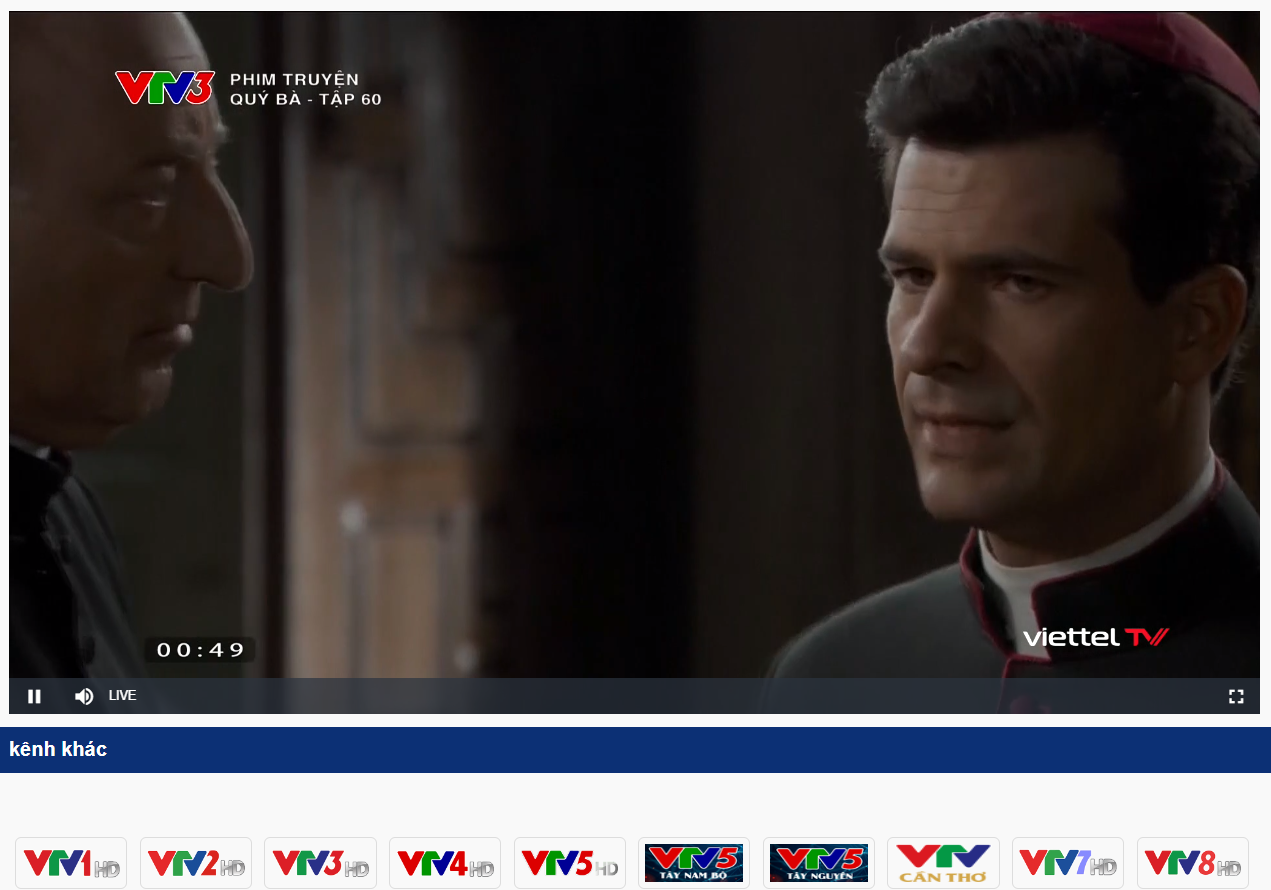
Nhiều tính năng hỗ trợ người dùng
Chi tiết cách truy cập Xem tivi online một cách an toàn và nhanh chóng nhất
Đối với các bạn là người lần đầu biết đến trang web, việc nhanh chóng truy cập vào các kênh truyền hình như thế nào là điều khiến họ thắc mắc. Vì vậy, dưới đây là hướng dẫn chi tiết cách thức giúp bạn sử dụng trang web dễ dàng:
-
Bước 1: Mở trình duyệt web và tìm kiếm với từ khóa "shababinclusion" để tìm địa chỉ https://shababinclusion.org/ hoặc truy cập trực tiếp vào trang web.
-
Bước 2: Sau khi trang web được truy cập thành công, bạn sẽ thấy nhiều chuyên mục xuất hiện trên màn hình như Thời sự, Thể thao, Giải trí, FM Radio, Kênh truyền hình địa phương… Tùy theo nhu cầu, hãy lựa chọn nội dung phù hợp nhất với bạn ví dụ như xem tivi VTV6 thì click vào kênh VTV6.
-
Bước 3: Giao diện sẽ hiển thị nhiều chọn lựa các chương trình đang diễn ra. Tại đây, bạn có thể chọn thông tin mà bạn quan tâm và sử dụng những tính năng hỗ trợ hiện có trên web. Ngay lập tức, tất cả toàn bộ những dữ liệu liên quan sẽ được hiện trước mắt bạn.
Những câu hỏi thường gặp của các người dùng mới trên Xem tivi online
Tất cả nội dung kênh xem trên web shababinclusion.org có bị tính phí không?
Trang web này phát triển với mục tiêu phi lợi nhuận, mọi kênh truyền hình đều được cung cấp miễn phí đến khán giả. Nếu bạn gặp bất kỳ yêu cầu tính phí nào từ hệ thống, đó có thể là trường hợp lừa đảo.
Có cần tạo tài khoản tại trang web Xem tivi online không?
Chỉ cần truy cập vào trang web, bạn có thể sử dụng dịch vụ xem trực tiếp truyền hình ngay tại đó, không cần phải tạo tài khoản thì mới được trải nghiệm các tiện ích của hệ thống này.
Cần lưu ý gì tại Xem tivi trực tuyến?

Trang xem truyền hình đa dạng thể loại
Khi trải nghiệm dịch vụ sử dụng kênh truyền hình tại đây, để tối ưu hóa khán giả cần chú ý vài điều sau:
-
Hãy đảm bảo bạn tìm đúng đường link chính thức do Xem tivi online cung cấp, để tránh rơi vào các trang web giả mạo và lừa đảo.
-
Thường xuyên vào cập nhật thông tin và nội dung mới nhất để không bỏ lỡ nội dung hấp dẫn.
-
Lưu ý rằng không phải tất cả các thông tin được chia sẻ đều phù hợp với bạn. Hãy biết cách để chắt lọc và chọn lựa những thông tin phù hợp để đáp ứng sở thích cá nhân.
-
Trang web hoạt động 24/24, người dùng thoải mái truy cập vào bất cứ thời điểm nào mà không cần lo ngại về sự gián đoạn.
Xem tivi online vừa là một nền tảng xem trực tiếp, vừa là người bạn đồng hành của khán giả yêu thích truyền hình. Với sứ mệnh cung cấp thông tin đa chủ đề và chính xác nhất về những tin tức, sự kiện, chúng tôi mong rằng bạn sẽ tìm thấy trên kênh Xem tivi online một không gian thú vị và một nguồn cảm hứng để thỏa mãn niềm đam mê khám phá.